Tree Planting

Our Tree Planting Regime

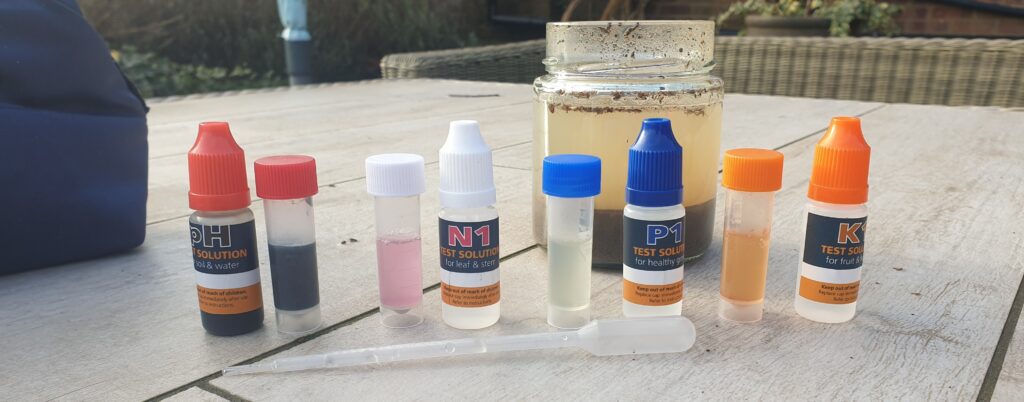
Test the soil 24 hours before so that we can tailor the replacement soil/compost in the planting hole to increase/decrease the PH level depending on the tree being planted. Deficiencies in nutrients can also be appropriately addressed with soil conditioners.

Dig a deep square hole. Place the tree in the hole and adjust the height of the root flair by back filling with a combination of compost and top soil tailored to the trees needs. Be careful not to commit the cardinal sin of planting the tree too deep.

Test the final height of the root flair and apply bone meal / root enhancer. This will help promote root growth in the vital 6-18 months after planting.
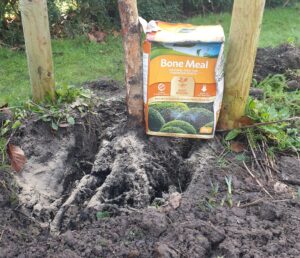
Back fill the hole ensuring the root system is supported without over compacting. Apply slow release food to help the tree in the first 6 months.

Packing the bowl


Bark or mulch around the base of the tree to retain moisture in the hot months - no volcano mulching here! A larger clearance area free from other competing vegetation would be ideal.
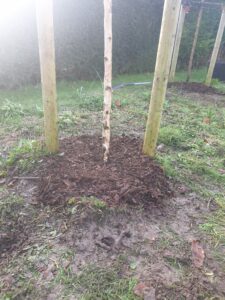
Bark placement

Staking the tree correctly is vital in assisting a tree during winds where without the support it may fall over. It also helps promote a 'straight trunk'.

There are a number of different tree staking techniques depending on the conditions of the site or size of the tree.

We then supply and fit an 80 litre slow release watering bag to help our clients stick to the strict watering regime which is vital for the survival of the tree in the first 2-3 years until the root system properly establishes. Perfect for when you need to go away for a few days during Summer! 
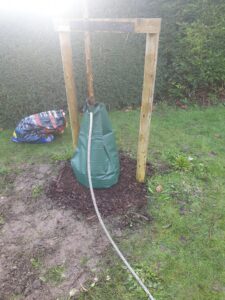
Watering bag

So You Want To Plant A Tree?

Thats great! Now the tricky part…. Which one? With over 60,000 species of trees to choose from, this really is the hardest part about planting a tree. Here are some of the key factors and considerations  worth thinking about when deciding what tree to plant.  
Final Height And Crown Spread
Depending on the size of your garden and the space you have remaining, planting a tree that will be a suitable size in 20 years is an important consideration. Fortunately with 100's of years of research we have pretty comprehensive data on the final height and crown spreads of all sorts of trees. It is important to plant away from structures and with the right species. Planting a London Plane tree in a small garden which can grow up to 35 metres tall and spread 30 meters would be foolish. A Rowan with a final height of 10m and spread of 8m might be a better bet!
Bark Patterns and Colours
Interesting and quirky bark can give you all year round satisfaction. Some of our favourites would include; Tibetan Cherry, London Plane, Eucalyptus, Snake bark Maple and Jacquemontii Birch
Seasonal Changes
My favourite part of being a tree owner is being able to watch the tree change throughout the seasons. Each season can bring a new aesthetic and joy. In Spring we may find beautiful pink blossoms from a Japanese Cherry. Summer can be an opportunity for a Weeping Willow to show off its pendulous leaves, Autumn brings us the fascinating change of leaf colour from a Raywood Ash and Winter an opportunity to admire the branch structure of a contorted Hazel.
Fruit production
There's just something about being able to eat your own apples grown in your own garden! This feeling is further amplified in the knowledge you planted the tree, and that future generations will get to enjoy the fruits of your labour (If you'll pardon the pun) for many years. Be aware that owning a fruit producing tree does have its downsides in that it can attract wasps and be messy to clean up each year.
Wind breaks and privacy
Planting a hedge can offer you sound and wind protection if your garden is located by a road. It is also known that the wind protection and shade provided by trees and hedges can help reduce your heating and cooling bills throughout the year!Planting an evergreen hedge as a boundary between you and your neighbour can offer a more attractive alternative to fencing. It is important to establish whether an evergreen hedge or deciduous hedge is more appropriate.

Read To Talk Trees?
Please Call : 07919574221